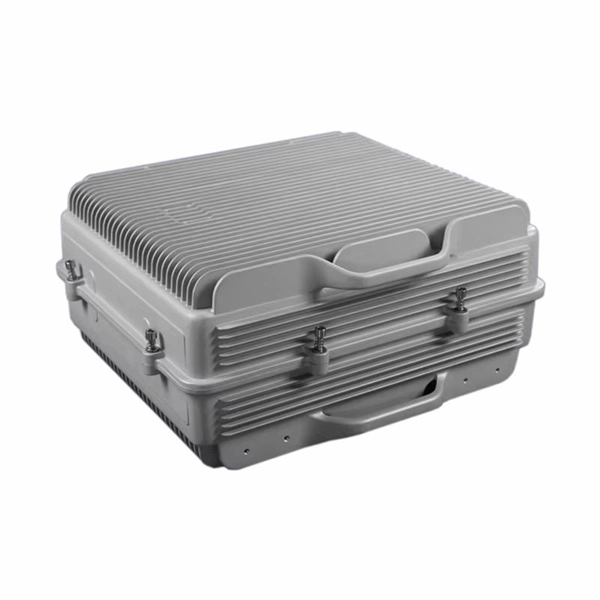
Yes, distribution boxes vary in quality; good boxes are safe, durable, and compliant, while bad ones may be unsafe, poorly made, or unsuitable for their intended use.Key Factors That Define a Good Distribution Box
Material and Build Quality: High-quality distribution boxes are made from durable materials such as steel, aluminum, polycarbonate, or SMC, which provide strength, corrosion resistance, and protection against environmental factors. Outdoor or heavy-use boxes should have high IP ratings (IP65 or IP66) to prevent dust and water ingress . Safety Certifications: Good boxes comply with international or regional standards like IEC 61439, IEC 60670, UL/NEC, or BS 7671. Certified boxes ensure proper insulation, fire resistance, and reliable protection against overloads and short circuits . Internal Components: Reliable boxes include quality circuit breakers, fuses, RCDs, RCBOs, busbars, and surge protection devices. Poor-quality boxes may use substandard components that fail under load, increasing the risk of electrical hazards . Design and Application Fit: A good distribution box matches the intended application—residential, commercial, industrial, or outdoor use. It should have the correct number of circuits, space for future expansion, and proper layout for wiring and heat dissipation . Maintenance and Longevity: High-quality boxes are easier to maintain, allow safe upgrades, and last longer. Bad boxes may degrade quickly, overheat, or require frequent repairs, leading to higher long-term costs .
Signs of a Bad Distribution Box
- Flimsy or thin materials that bend or crack easily.
- Lack of safety certifications or unclear compliance with standards.
- Poorly arranged internal components, insufficient space, or inadequate protection against dust and moisture.
- Incompatibility with the electrical load or type of installation.
- Absence of surge protection or other safety features in environments where they are needed .
Practical Tips for Choosing a Good Box
- Assess your load and circuits: Ensure the box can handle current and future expansion.
- Select the right material: Use metal or SMC for industrial/outdoor use; polycarbonate or PVC for residential indoor use.
- Check certifications: Look for IEC, UL, or local safety approvals.
- Consider smart features: Some modern boxes offer energy monitoring and remote management.
- Plan for maintenance: Choose a box that allows easy access to components and wiring . In summary, good distribution boxes prioritize safety, durability, and compliance, while bad ones compromise on materials, design, or certification, posing risks to both people and equipment. Selecting the right box for your specific application ensures long-term reliability and safety.