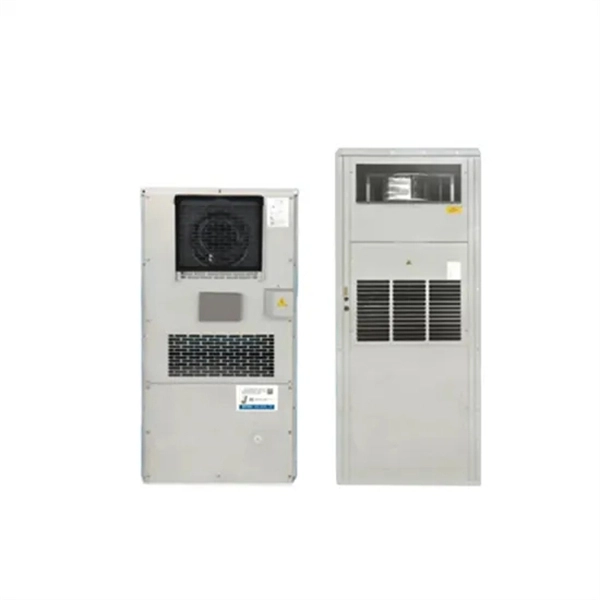
Having a distribution box next to your house is generally safe if it is properly installed, accessible, and compliant with electrical codes.Safety Considerations
A distribution box, also known as an electrical panel or breaker box, distributes electricity to different circuits in your home and includes protective devices like breakers or fuses . When located next to a house, it must be installed in a dry, accessible area with good ventilation and at an appropriate height, typically around 1.5 meters . Proper installation ensures protection against short circuits, fire hazards, and system failures.
Health Implications
Concerns about electromagnetic fields (EMFs) from electrical boxes are common. Research indicates that low-level EMF exposure near residential distribution boxes is not harmful to health, and organizations like the World Health Organization have found no conclusive evidence linking such exposure to cancer or other health issues .
Accessibility and Maintenance
The box should be easily accessible for electricians or homeowners to perform maintenance, reset tripped breakers, or shut off power in emergencies . Outdoor boxes must be weatherproof to protect against rain, humidity, and other environmental factors . Clear visibility and unobstructed access are important for safety and quick troubleshooting.
Installation Best Practices
- Ensure the box is rated for outdoor use if installed outside, with proper IP/NEMA ratings .
- Maintain neat wiring, secure grounding, and correct breaker sizing .
- Label circuits clearly and schedule regular inspections to ensure long-term reliability .
- Keep the area around the box free from obstructions and flammable materials.
Summary
Placing a distribution box next to your house is acceptable and common, provided it is installed according to safety standards, protected from environmental hazards, and easily accessible. Regular maintenance and adherence to electrical codes will ensure both safety and reliable operation .