GESTIONVAL ODNODN INFRASTRUCTURE Technical Inquiry

Power Terminal Box Installation

Install a power terminal box by selecting a suitable location, mounting the enclosure securely, preparing cables, terminating conductors correctly, and ensuring compliance with safety and electrical codes.Preparation and Planning
  1. Determine Ratings and Capacity: Identify the voltage and current ratings of the circuits to be connected. Ensure the terminal box and its components can handle the maximum expected load .
  2. Calculate Conductors: Count the number of conductors that will terminate in the box to select the appropriate number of terminals and box size .
  3. Assess Environmental Conditions: Consider temperature, humidity, chemical exposure, and water ingress. Choose an enclosure with a suitable IP rating .
  4. Location and Accessibility: Ensure the box is accessible for maintenance and inspection, with sufficient space around it .
  5. Compliance: Follow relevant electrical codes such as the NEC in the U.S. or IET Wiring Regulations in the U.K. .
Component Selection
  • Enclosure: Choose a material (metal or plastic), size, and mounting type suitable for the application .
  • Terminals: Select terminals compatible with the conductor size and type .
  • Cable Glands/Seals: Use appropriate glands to secure and seal cables entering the box .
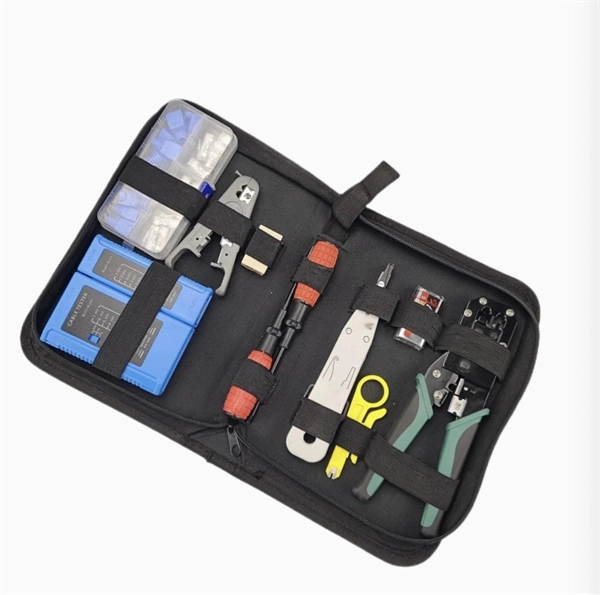
  • PPE and Tools: Wear safety glasses, gloves, and use proper tools like wire strippers, screwdrivers, and torque wrenches .
Installation Process
  1. Mounting the Terminal Box: Secure the box using screws, bolts, or brackets. Ensure it is level and aligned properly .
  2. Cable Preparation: Drill or use pre-cut knockouts for cable entry. Install cable glands or seals to prevent moisture ingress .
  3. Stripping and Terminating Conductors: Strip insulation to the recommended length. Connect conductors to terminals following manufacturer instructions .
  4. Torque and Secure Connections: Tighten terminals to the recommended torque values using a torque wrench. For motor connections, consider using mechanical compression lugs or split bolts and apply anti-oxidant material to prevent oxidation .
  5. Final Assembly: Install the junction box lid, ensuring the latch mechanism is fully engaged. Verify all connections are secure and properly insulated .
Safety Considerations
  • De-energize all power sources before installation or maintenance .
  • Ensure the area is non-hazardous before connecting or disconnecting components .
  • Use only approved components and fittings to maintain compliance and prevent electrical hazards .
  • Follow torque specifications and proper conductor handling to avoid overheating or loose connections . By following these steps, a power terminal box can be installed safely, securely, and in compliance with electrical standards, ensuring reliable operation and ease of maintenance.
Power Terminal Box Installation

How to Install a Fiber Optic Termination Box (FTTH Steps)

Learn how to install a fiber optic termination box step-by-step for FTTH projects. Covers mounting, splicing, routing, labeling, and

Related Video Reference

This video was associated with the source search result. Verify technical details against current product documentation and project requirements.

Technical note

This reference is intended for preliminary ODN and passive infrastructure research. Topology, split ratio, box or cabinet capacity, closure rating, cable type, test limits and applicable standards must be verified for the specific project.

Still Have a Technical Question?

Use the inquiry form to describe an ODN network, passive component or distribution box question.

Start an Inquiry