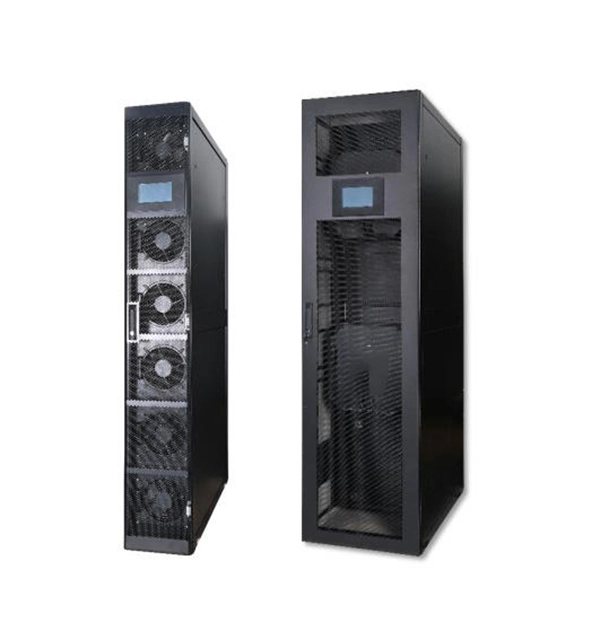
Network rack structural components typically range from 1.5 mm to 2.5 mm in thickness, with heavier-duty racks using 2.5 mm steel for maximum strength.Standard Rack Thickness
Most standard 19-inch racks use steel posts and rails with a minimum thickness of around 1.9–2 mm to ensure sufficient rigidity and support for mounted equipment . Aluminum racks may be slightly thicker to achieve comparable strength. Lighter-duty racks, designed for smaller or less frequently accessed equipment, may use 1.5 mm metal panels, which are easier to handle and install but support lower weight loads .
Heavy-Duty and High-Capacity Racks
Heavy-duty enclosures, such as Eaton's SmartRack 42U, are constructed from 2.5 mm thick steel with reinforced structural elements, including extra welds, gussets, and connection points, allowing them to support stationary loads up to 5000 pounds (2268 kg) and rolling loads up to 3500 pounds (1588 kg), . These racks are ideal for high-density data centers or environments with frequent equipment changes.
Mounting Rails and Reinforcements
Critical load-bearing elements, such as vertical mounting rails, are often reinforced and may include cross-bracing to prevent bending or warping over time. Standard racks use rails with integral system holes on a 25 mm DIN pitch, and the thickness of these rails is typically aligned with the overall frame thickness to maintain structural integrity . In seismic or high-stress environments, racks may be designed to exceed standard thickness requirements to comply with GR-63 or NEBS Zone 4 specifications .
Summary
- Light-duty racks: 1.5 mm steel or aluminum, suitable for smaller equipment.
- Standard racks: 1.9–2 mm steel, common for most IT and networking installations.
- Heavy-duty racks: 2.5 mm steel with reinforced elements, supporting high loads and frequent access. Choosing the appropriate structural thickness depends on equipment weight, frequency of access, and environmental factors such as seismic activity or high-density installations. Proper thickness ensures stability, durability, and safe mounting of servers, networking hardware, and other rack-mounted equipment .