GESTIONVAL ODNODN INFRASTRUCTURE Technical Inquiry

How to install a household electrical distribution box with a core

A household electrical distribution box is installed by securely mounting the enclosure, connecting properly rated circuit breakers, and wiring line, neutral, and ground conductors according to safety standards.Key Components of a Distribution Box

A typical household distribution box consists of:

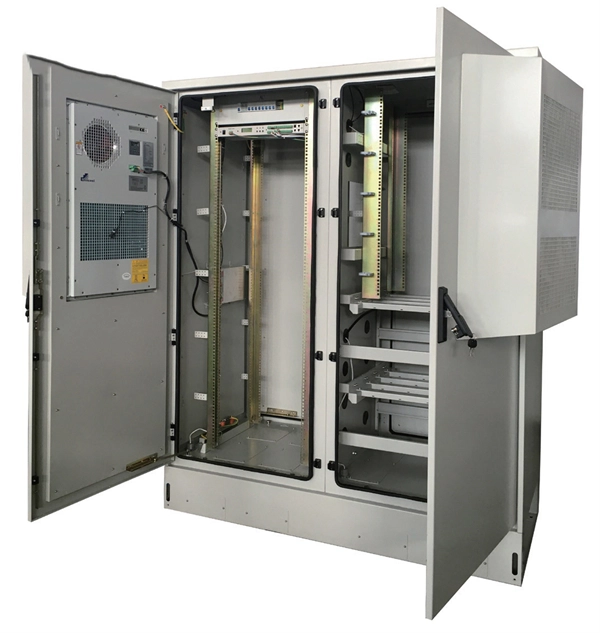
  • Enclosure: Protects internal components from dust, water, and physical damage; usually made of steel or plastic with appropriate IP/NEMA ratings for indoor use .
  • Circuit Breakers: Protect individual circuits from overloads and short circuits .
  • Busbars and Terminal Blocks: Facilitate organized connection of line, neutral, and ground wires .
  • DIN Rails: Optional mounting rails for additional devices like RCDs or surge protectors .
  • Wiring Entry Points: Keep cables organized and prevent tangling .
Pre-Installation Preparation
  1. Site Selection: Choose a dry, ventilated, and accessible location, away from water, flammable, or corrosive substances. The recommended height is around 1.5 meters for easy access .
  2. Load Assessment: Determine the total electrical load and select a box with sufficient capacity and room for future expansion .
  3. Safety Compliance: Ensure all components are UL/CE-certified and comply with local electrical codes .
Installation Steps
  1. Mounting the Box: Secure the distribution box to a stable surface using expansion bolts or screws, ensuring it is level and firmly fixed .
  2. Wire Preparation: Strip insulation from wires to the appropriate length, leaving enough conductor for secure terminal connections .
  3. Circuit Breaker Installation: Install breakers according to the planned circuit layout, ensuring each circuit has its own protection .
  4. Wiring Connections:
    • Connect line (phase) wires to the breaker terminals.
    • Connect neutral wires to the neutral busbar.
    • Connect ground wires to the grounding busbar.
    • Follow color coding standards (e.g., black for phase, blue for neutral, green/yellow for ground) to prevent miswiring .
  5. Cable Management: Route wires neatly, secure with cable ties, and leave space for heat dissipation .
  6. Labeling: Clearly mark each circuit for easy identification during maintenance or troubleshooting .
  7. Testing: Perform insulation resistance tests and visual inspections before powering on to ensure proper connections and safety .
Safety Considerations
  • Avoid working on live circuits whenever possible, especially during color code transitions .
  • Ensure proper grounding to prevent electrical shocks.
  • Use breakers and fuses rated for the specific load of each circuit.
  • Schedule regular inspections to maintain long-term reliability . By following these steps and adhering to safety standards, a household electrical distribution box can be installed securely, ensuring reliable power distribution and protection for all connected circuits .
How to install a household electrical distribution box with a core

How to Install a Cable Distribution Box Safely and Correctly?

Reliable cable distribution boxes ensure safe, efficient power management for residential, commercial, and industrial

Related Video Reference

This video was associated with the source search result. Verify technical details against current product documentation and project requirements.

Technical note

This reference is intended for preliminary ODN and passive infrastructure research. Topology, split ratio, box or cabinet capacity, closure rating, cable type, test limits and applicable standards must be verified for the specific project.

Still Have a Technical Question?

Use the inquiry form to describe an ODN network, passive component or distribution box question.

Start an Inquiry