Repeated grounding in distribution boxes is generally used to ensure safety and low-resistance fault paths, but modern standards often favor single-point grounding to reduce hazards.Purpose of Repeated Grounding
Repeated grounding involves connecting the neutral and protective earth (PE) of a distribution system at multiple points along the line and within the distribution box. This practice ensures that fault currents have a low-resistance path to the earth, stabilizes voltage levels, and protects both personnel and equipment from electric shock or overvoltage conditions . In low-voltage three-phase four-wire systems, repeated grounding is often applied every 1 km along the neutral line, and for user connections exceeding 50 meters, additional grounding points are recommended, with resistance not exceeding 10 ohms .
Implementation in Distribution Boxes
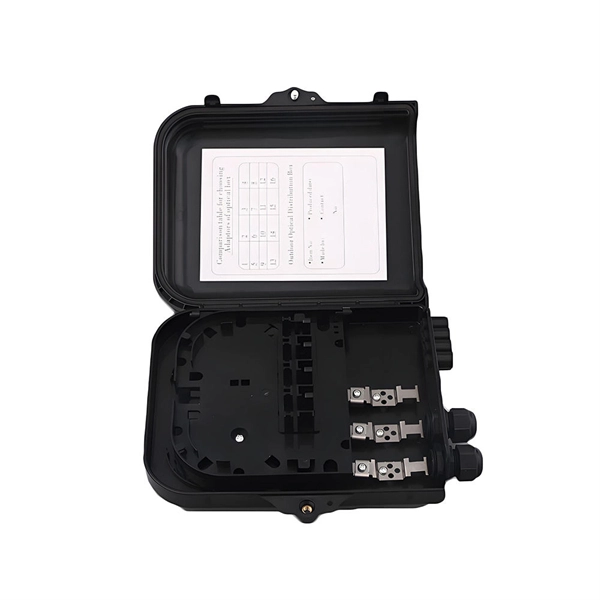
Inside a distribution box, repeated grounding typically connects all metal conductive parts—including the enclosure, component mounting boards, doors, and secondary doors—to the grounding system. This ensures that any exposed metal is at earth potential, reducing the risk of electric shock . Proper materials, such as galvanized steel or copper-bonded rods, should be used to prevent corrosion and maintain long-term reliability .
Modern Standards and Safety Considerations
While repeated grounding has been widely used, the International Electrotechnical Commission (IEC) has gradually phased out multiple earthing in favor of single-point grounding systems. The main reasons include:
- Safety hazards: Multiple grounding points can create potential differences, leading to step voltage and touch voltage risks .
- System stability: Repeated grounding may allow return currents to bypass protective devices, reducing fault detection efficiency .
- Electromagnetic compatibility: Multiple grounding points can introduce unwanted currents and interference in sensitive equipment . Modern practice emphasizes a controlled, low-impedance grounding system with a single main connection point, ensuring both safety and reliable operation of protective devices.
Practical Recommendation
- For older or existing systems, repeated grounding may still be applied, especially in long distribution lines, but it must comply with resistance limits and proper bonding of all metal parts .
- For new installations, follow IEC and local electrical codes, which generally recommend single-point grounding with careful design to maintain low resistance and ensure personnel safety .
- Always test grounding resistance after installation and use high-quality materials to prevent corrosion and maintain long-term effectiveness . In summary, repeated grounding can enhance safety in certain distribution systems, but modern standards favor single-point grounding to minimize hazards and improve system reliability. Proper implementation, material selection, and compliance with local codes are essential for safe and effective grounding.