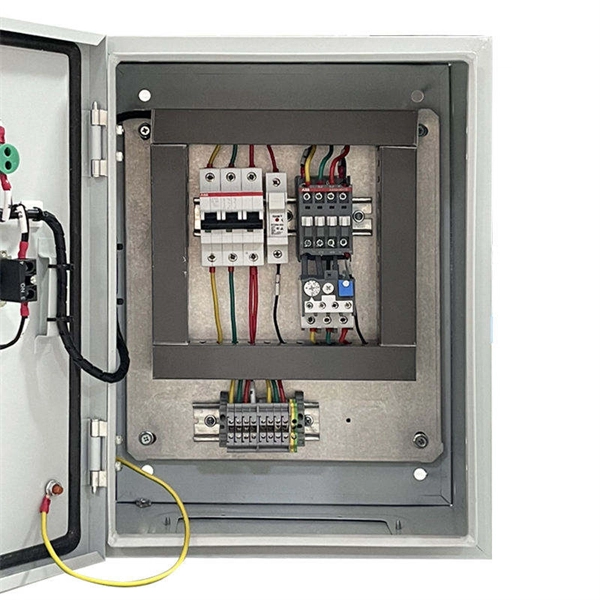
Safe operation of high-voltage electrical and distribution boxes requires strict adherence to isolation, PPE, grounding, and maintenance protocols to prevent electrical hazards and ensure system reliability.Key Safety Principles
Voltage Classification and Awareness: High-voltage equipment typically ranges from 3.6 kV to 550 kV, and each voltage level requires specific safety measures. Personnel must be trained to recognize voltage classifications and understand the life-threatening effects of electrical current . Personal Protective Equipment (PPE): Always wear appropriate PPE, including insulated gloves, face shields, flame-resistant clothing, and dielectric footwear. PPE selection should match the voltage level and potential arc-flash hazards . Isolation and Lockout/Tagout (LOTO): Before performing any maintenance, ensure the equipment is fully de-energized. Use lockout/tagout procedures to prevent accidental energization. High-voltage operations should involve at least two qualified personnel . Grounding and Bonding: Connect all conductive parts to a common ground to prevent static accumulation and potential differences. Bonding ensures that all components, including pipes and cable trays, remain at the same electrical potential, reducing the risk of sparks or arc-flash incidents .
Operational Procedures
Inspection and Maintenance: Regularly inspect switchgear and distribution boxes for signs of wear, corrosion, or insulation degradation. Use specialized testing equipment, such as the Polarization Index (PI) test, to assess insulation quality over time . Switchgear Handling: High-voltage switchgear includes circuit breakers, disconnectors with grounding switches, load break switches, and reclosers. Operate these devices according to manufacturer guidelines, ensuring that all mechanisms are functioning correctly and that the cubicle enclosure is intact . Fault Diagnosis: In case of faults, follow structured troubleshooting procedures. Identify the fault type, isolate the affected section, and verify that the system is de-energized before intervention. Avoid direct contact with energized components . Documentation and Permits: Maintain detailed records of all maintenance, inspections, and operational activities. Obtain necessary permits to work on high-voltage systems, and ensure compliance with company and regulatory safety standards .
Emergency Preparedness
Arc-Flash and Electrical Shock Response: Be trained in emergency procedures for arc-flash incidents and electrical shocks. Keep first-aid and emergency response equipment accessible, and ensure all personnel know evacuation routes and emergency contacts . Continuous Training: High-voltage operations require ongoing training and certification. Engineers and technicians should participate in workshops and practical sessions to stay updated on safety protocols and operational best practices .
Summary
Operating high-voltage electrical and distribution boxes safely involves a combination of proper PPE, isolation, grounding, regular maintenance, and adherence to operational protocols. Following these procedures minimizes the risk of electrical accidents, ensures system reliability, and maintains compliance with safety regulations .